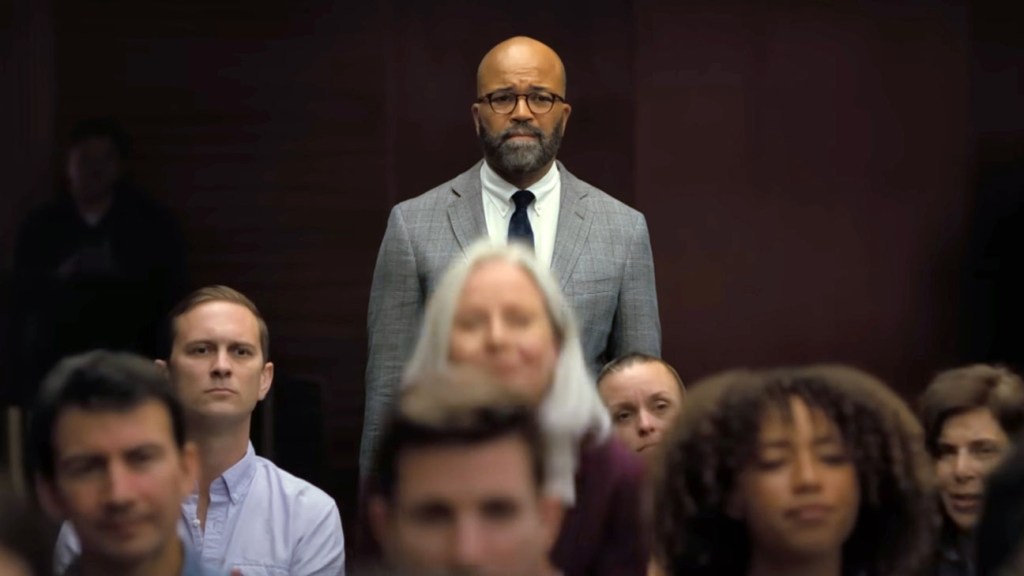
Equality, tolerance, and freedom of speech. These are among the few values that come to mind when one considers a democratic society. It embraces inclusivity, strives for all voices to be heard and equal opportunities to be given, specifically those who’ve been historically disadvantaged. There’s no room for ostracism, no room for inequality, no room for opression. This prompts us to wonder – is absolute equality even achievable? And if so, to what extent can something be absolute before crossing into the realm of oppression? This paradox becomes particularly evident in the literary world, where intellectual freedom essentially drives artistic expression, allowing authors to craft unique stories that resonate with us, readers. However, this freedom appears to be increasingly restricted with the rise of book censorships masked under the pretext of “political correctness”. In theory, it’s aimed to ensure fair representation of the minority and foster a sense of inclusivity for “everyone.” However, in practice, it pressures authors into solely crafting characters they can personally relate to, thereby limiting the scope of perspectives depicted in their works.
Afterall, can fiction and political correctness coexist? Or can they be mutually exclusive in certain respects? This issue serves as a central theme in American Fiction, an Oscar-nominated film directed by Cord Jefferson. The story revolves around Theleonius Ellison, also known as “Monk” – an African-American writer and college professor who’s forced to take a temporary leave due to his confrontations with students. Despite receiving academic validation for his novels, they sell poorly – they’re just not “Black enough,” as his publishers put it. He keeps being compared to another Black writer – Sinatra Golden – who, unlike him, happens to be very successful with her bestselling novel We’s Lives in Da Ghetto. At first, our protagonist remains oblivious to this fact, unable to comprehend why people would want to read such a stereotypical piece of fiction, built entirely on racial clichés. However, as the story progresses, he becomes increasingly wary of the forces driving the demand for this sort of literature, revealing the hypocrisy within the seemingly “politically correct” publishing industry.
Monk himself comes from an upper-class family living in Boston. We meet his sister, Lisa, who’s a physician, and his brother Clifford, who’s a plastic surgeon. We also catch a glimpse of his mother, an elegant elderly lady who lives independently with her own maid – which is also a sign of the family’s undeniable wealth. The Ellisons seem to defy almost every aspect of “Black representation” that’s so readily propagated by the publishing industry. They’re mere intellectuals who don’t pepper their daily conversations with Black slang, lack a criminal record, and most crucially, do not come from “da ghetto.” Also, the problems they face aren’t race-specific but rather universal – intrinsic to us, humans. Lisa’s concerned with her mother, recognizing early signs of Alzheimer’s disease. Clifford is a divorcee who’s on a tough journey of sexual rediscovery, who also indulges in drugs and casual sex as a means to avoid confronting his real feelings. Lastly, Monk grapples with the lack of appreciation for his craft and the toxicity of his industry, all while witnessing his family slowly falling apart. Pressured by the publishers and his personal drama, he eventually writes his own piece of “Black fiction,” mocking the ideal expected from African-American writers. Ironically, My Pafology published under the pseudonim of “Stagg R. Leigh,” turns out to be Monk’s most successful book. Driven nearly to insanity by the absurdity of his situation, the protagonist pushes the boundaries even further, changing the title of the book into a slur to sabotage his lucrative deal with the publishers. Once again, to his surprise, the change is accepted and the book gets published under the new title. His work quickly becomes a bestseller, and in response, clinches a literary award from the New England Book Association. Yet much to his astonishment, while the majority of other authors laud it as “brilliant,” Sinatra Golden deems the book as “pandering”.
When Golden and Ellis finally interact, he questions her about the book, striving to understand what what sets her work apart from that “pandering” piece of fiction. In response – visibly offended – she claims that she thoroughly researched the topic beforehand and that it’s based on the harsh realities of real people’s lives. She states that she doesn’t need to write about her personal experiences, but rather about “what interests people”. “I’m OK with giving the market what it wants,” she says. “But you’re not fed up with it? Black people in poverty, black people rapping, black people as slaves, black people murdered by the police?” he continues, “people – white people – read your book and confine us to it”. They think that we’re all like that.” His rebellion and fury against the hypocrisy of the publishing world eventually fade away, replaced by the feeling of helplessness and the bitter acceptance of reality. He does precisely what he criticized Golden for – he gives the market what it wants and accepts a movie deal on his “pandering” piece of fiction.
As we watch the movie, we observe the protagonist gradually adapting to what he initially considered a broken system – falling into conformity. Apart from his personal drama, one of the deciding factors seems to be his conversation with Sinatra Golden, another African-American author with a similar background yet completely different outlook on fiction. She believes that she’s crafting stories that remain authentic, despite the fact that they cater to her recipients’ taste. She ignores the whole picture and focuses on the truths that people want to hear. Monk, on the other hand, refuses to confine the portrayal of Black diaspora to bare clichés that merely satisfy people. Eventually, even that changes as he realizes that mere clichés will always be more favorable over “real” fiction. The industry will continue to exploit the collective guilt borne by the White majority, distorting the genuine voices and stories of Black individuals. People don’t want to read stories about themselves that remind them of their own fragility and expose their flaws. They seek narratives that make them feel better about themselves – ones that make them feel included.
American fiction is not only a great movie about universal characters and their struggles, but also a sobering reflection of the realities of today’s world. In the era of heightened literary censorship and increasingly pervasive political correctness, fiction is evolving into a perilous territory. While literature and politics have always been somewhat intertwined, their relationship is becoming more and more intrusive, with little mutual benefit. Before stories are officially published and reach the bookshelves of your typical reader, they must be often reviewed by a sensitivity reader first, who assesses the content and ensures it doesn’t contain offensive material, stereotypes, bias, and so on. It’s a controversial topic that could be discussed in a separate essay, but it raises an important issue that brings us to the original question – are fiction and political correctness mutually exclusive? If fiction is by definition concerned with fictitious stories entirely crafted by the authors, is it justifiable to censor the voices of their imaginative characters on the basis of them not being “representative” enough of their minority? Is political correctness enhancing the authenticity of the crafted stories or hindering the imaginative process that constitutes creative writing? Or perhaps both?
American fiction surely depicts the negative side of it, focusing on the repercussions of this political bias on fiction. It kills universality and promotes predictable stories with predictible plots and shallow characters. The stereotypical “Black fiction” portrayed in the movie focuses on extreme cases of hardship – drug dealings, poverty, racism – but they overlook the universal struggles like those experienced by Monk himself – the loss of his sister Lisa, his mother’s deteriorating health, and the break-up with his gilfriend, Coraline. These aspects of his life make him an authentic character with whom each and every one of us can relate. Monk, as well as his relatives, are not depicted solely through the prism of their race, but rather through their daily hopes, goals and sorrows. As a result, the scope of what they can represent can vary from person to person – they neither perpetuate harmful stereotypes nor do they overlook any particular facets of their ethnicity. They are fictional characters but they could easily represent any one of us, regardless of our race.
 Let's Rewind